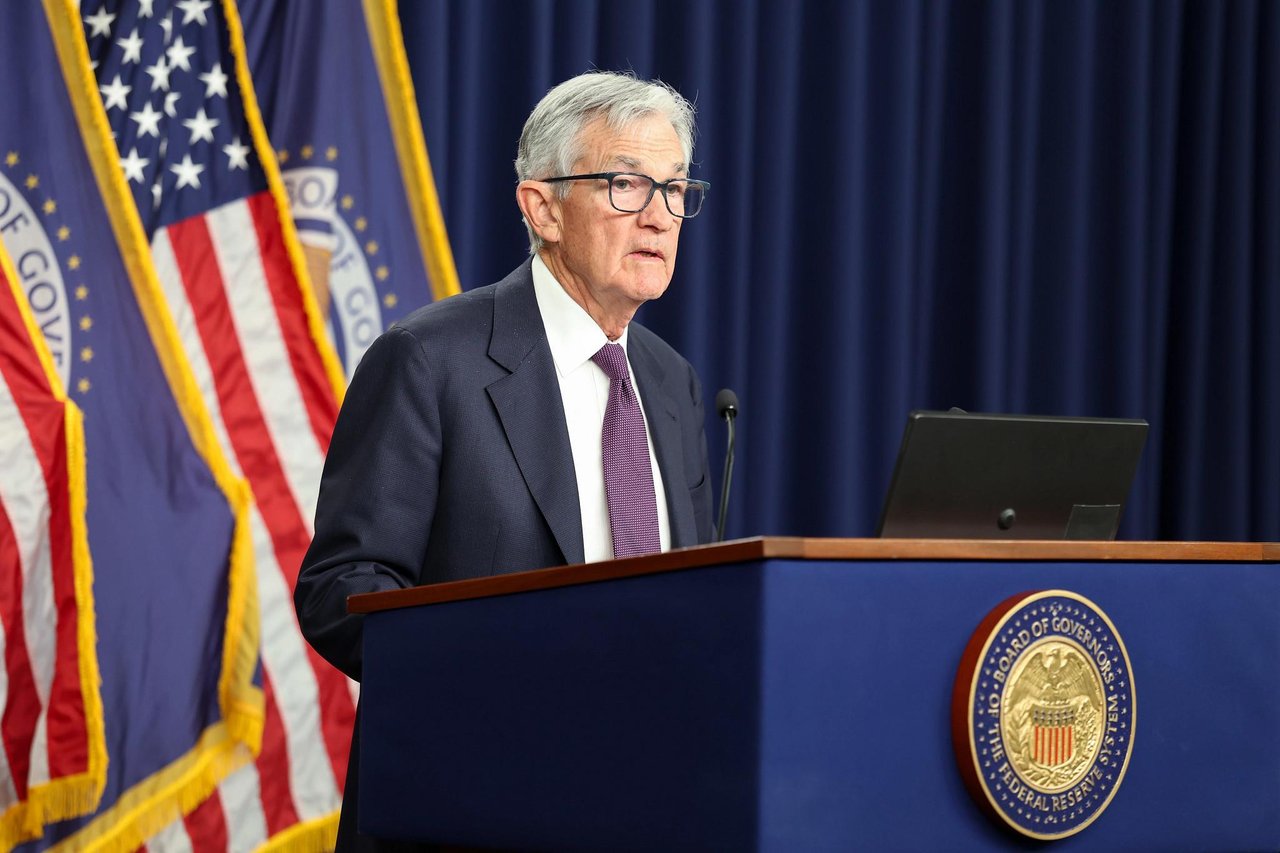
The Federal Reserve held its benchmark interest rates steady at 3.5% to 3.75% on March 18, 2026, marking the second consecutive pause in 2026. This decision comes amid rising economic uncertainty driven by the ongoing war in the Middle East involving Iran, which has triggered the largest surge in oil prices in four years and pushed gas prices higher for American consumers.
In an 11-1 vote by the Federal Open Market Committee (FOMC), policymakers opted against a rate cut, with only Governor Stephen Miran dissenting in favor of a 25-basis-point reduction. Fed Chair Jerome Powell emphasized caution during his post-meeting press conference, noting that while the labor market remains relatively stable—with unemployment "little changed" since last fall—inflation continues to run above the Fed's 2% target, and the geopolitical conflict adds significant complications.
Why the Fed Is Holding Steady: Key Factors
The primary headwind is the sharp rise in energy costs stemming from supply disruptions in the Middle East. National average gasoline prices reached $3.842 per gallon as of mid-March 2026 (per AAA data), up from around $2.923 a month earlier and higher than the $3.078 level from a year ago. This represents a rapid climb, with some reports showing averages nearing or exceeding $3.88 in late March amid spring demand and ongoing volatility.
Powell described the situation bluntly: "In the near term, higher energy prices will push up overall inflation, but it is too soon to know the scope and duration of the potential effects on the economy." He stressed that the economic fallout could range from minimal to substantial, adding, "We just don’t know."
Inflation remains sticky in key areas like housing services, goods, and non-housing services, though Powell noted the labor market isn't fueling price pressures. Some FOMC members even discussed the possibility of a rate hike, but the vast majority view that as unlikely in their base case. Powell explicitly rejected labeling the current environment as stagflation, reserving the term for far more severe conditions of slow growth, high unemployment, and runaway inflation.
Updated Fed Projections (Dot Plot Insights)
The latest Summary of Economic Projections (often called the dot plot) largely maintained December's outlook but incorporated higher inflation risks:
- Federal funds rate: Median projection points to one 25-basis-point cut in 2026 (bringing the range to around 3.25%-3.50% by year-end) and another in 2027.
- Inflation (core PCE): Revised upward to 2.7% by end-2026 (from 2.4% previously), with progress toward 2% expected to hinge on cooling in lagging categories.
- GDP growth: Slightly more optimistic at 2.4% for 2026 (up from 2.3%).
- Unemployment: Steady at around 4.4%.
These forecasts remain "conditional" on incoming data, particularly whether inflation shows sustained progress mid-year as tariff effects fade.
Broader Economic Context and Impacts
- Housing market: Still "stuck" due to elevated mortgage rates (30-year averages around 6.30% recently) and volatility, which dampens buyer sentiment more psychologically than financially.
- Commercial real estate: Experts note solid fundamentals but limited transaction activity amid high capital costs; potential rate cuts could unlock more deals.
- Tariffs and other pressures: Average import tariff rates hover around 12%, contributing to one-time price hikes rather than persistent inflation, per some analysts.
- AI and data centers: Powell briefly mentioned short-term inflationary pressures from massive infrastructure builds.
The decision aligns with market expectations, though uncertainty from the Iran conflict has shifted some pricing for future cuts later in the year.
What This Means for You
For everyday Americans, steady rates mean borrowing costs (mortgages, auto loans, credit cards) remain elevated for now, while surging gas prices hit household budgets harder. If the Middle East situation stabilizes and inflation moderates, a rate cut later in 2026 could ease pressures. Until then, the Fed is in wait-and-see mode, prioritizing its dual mandate of maximum employment and price stability.
Stay informed on Fed updates, oil market developments, and inflation trends—the economic outlook remains fluid in this challenging environment. What are your thoughts on how rising gas prices and steady rates are affecting your finances?