In the dynamic world of Silicon Valley real estate, Google is making waves by reclaiming nearly 2 million square feet of Bay Area office subleases. This strategic shift highlights a broader recovery in the sublease market while underscoring Big Tech's pivot toward AI infrastructure investments. As remote work evolves into hybrid models, companies like Google are reevaluating their office footprints in key tech hubs like Mountain View and Sunnyvale. Let's explore the details behind Google's move and its implications for the Bay Area office market.
The Post-Pandemic Sublease Flood and Google's Reversal in Silicon Valley
The COVID-19 pandemic triggered a massive exodus from office spaces, flooding the U.S. sublease market—especially in coastal tech centers like the Bay Area. Big Tech firms, including Google, drastically reduced their physical presence as remote work surged. Over the past several years, Google has vacated a staggering 5.6 million square feet of Bay Area offices, with approximately 40% entering the sublease market, based on real estate analytics.
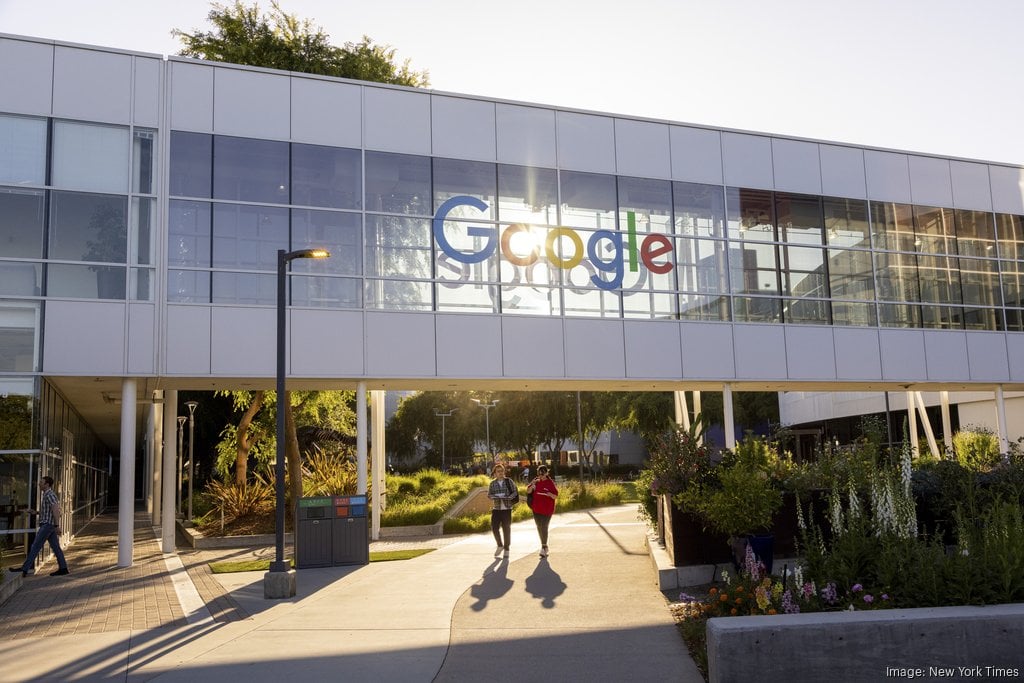
Fast forward to today, and Google is reversing course. The tech giant has pulled back about 1.8 million square feet from the sublease listings in Mountain View and Sunnyvale in recent months. This includes the prominent seven-building "Quad Campus" in Mountain View, which was removed amid reports of OpenAI scouting for new Silicon Valley office space. Industry insiders suggest this could be a defensive strategy to block AI competitors from accessing prime, turnkey Bay Area office locations—intensifying the battle for talent and resources in the AI sector.
Kilroy Realty Inc., a leading West Coast office landlord, views this as a promising development for Silicon Valley real estate. During Citigroup’s global property conference in Miami on March 2, CEO Angela Aman described Google's actions as part of an "incredibly positive trend." She emphasized how large corporations are now prioritizing in-person collaboration, training, and innovation in modernized Bay Area offices equipped with amenities and convenient transit access.
Declining Sublease Inventory: A Sign of Recovery in San Francisco and Silicon Valley Office Markets
The broader Bay Area office market is showing clear signs of stabilization. In San Francisco, sublease availability peaked at over one-third of total office space in 2020, according to CoStar data. Today, that figure has plummeted to around 16%, reflecting reduced purging of excess space. Silicon Valley has mirrored this trend, with sublease inventory hitting its high in 2023 before steadily declining.
This shift isn't isolated to Google. Other tech leaders, such as Amazon.com Inc. and Meta Platforms Inc., are also optimizing their portfolios by shedding unused offices through subleases while reallocating capital. As hybrid work solidifies, managers are calling employees back to enhanced workplaces, boosting demand for high-quality Bay Area office space near innovation hotspots.
Google's Massive Shift to AI Infrastructure: From Offices to Data Centers
While reclaiming subleases signals optimism for Silicon Valley real estate, it also reveals Google's deeper strategic realignment. The company isn't necessarily expanding its office empire; instead, it's channeling resources into AI dominance. Alphabet Inc., Google's parent, reported a jump in capital expenditures from $52.5 billion in 2024 to $91.4 billion in 2025, with expectations of further growth this year. These investments primarily target servers, networking, and data centers to bolster cloud computing and AI capabilities.
This pivot comes amid investor concerns that AI advancements could disrupt traditional job markets—the primary driver of office demand. Recent events, like Block Inc.'s 4,000 job cuts linked to AI adoption and a viral Citirini Research note, have heightened these fears. Yet, as Kilroy's Aman points out, improving fundamentals in the Bay Area office market, including Google's sublease pullbacks, are undeniable indicators of resilience.
Opportunities in the Data Center Boom: AI's Impact on Commercial Real Estate
The surge in AI infrastructure spending is creating ripple effects beyond offices. Billions are pouring into data centers, opening new avenues for investors and businesses in the Bay Area and beyond. For those tracking Silicon Valley real estate trends, this could mean exploring how AI-driven demand influences everything from sublease rates to new developments.
If you're interested in diving deeper, consider attending webinars on the data center boom and its implications for your market. These sessions cover outlooks, impacts, and business opportunities in the evolving AI landscape.
In summary, Google's reclamation of Bay Area office subleases marks a pivotal moment for Silicon Valley real estate, blending recovery from pandemic-era excesses with a bold bet on AI infrastructure. As the sublease market tightens and tech giants adapt, the region remains a hotbed for innovation and investment. Stay tuned for more updates on how these trends shape the future of work in the Bay Area.