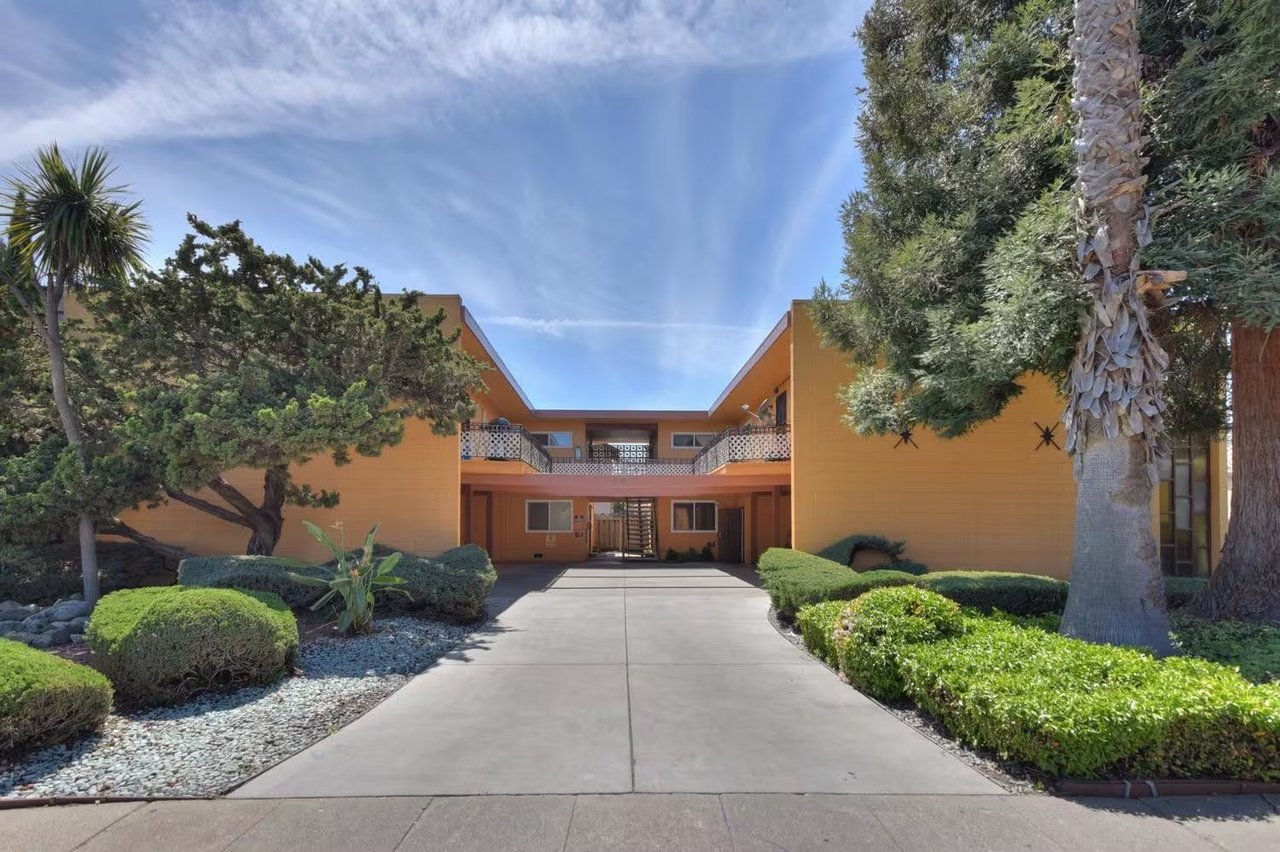
Redwood City voters appear to have turned down Measure E, the citizen initiative that would have brought rent control to the city. In the count so far, about 56% of voters are against it. The election has not been certified, and the margin can still move as the last ballots are counted, but the measure has trailed since the first results came in on election night.
For apartment owners in Redwood City, this is the most important local vote in years. Here is what Measure E would have done, what rules still apply, and what the result means if you own, sell or buy.
What Measure E Would Have Done
Measure E was more than a rent cap. It would have repealed Redwood City's current Tenant Protection Ordinance and replaced it with a new one that:
- Capped rent increases at 60% of inflation, with a 5% maximum, on multifamily buildings built before February 1, 1995.
- Reset rents for existing tenants to what they paid on October 29, 2025, the base rent date in the measure.
- Raised relocation payments for no fault terminations to the greater of four months of fair market rent or $12,000.
- Extended just cause and other tenant protections to most rental housing, including single family homes, ADUs and affordable housing, even though single family homes and newer buildings stay exempt from the rent cap under state law.
- Created a new city rent program with petitions and hearings, paid for by annual fees on owners.
Cost was a big part of the debate. The city estimated the program would cost $5 million to $11 million a year to run, all of it funded by fees on rental property owners. The mayor and several council members opposed the measure.
What Still Applies in Redwood City
Measure E failing does not mean Redwood City has no rules. Owners still have to follow two layers of law.
The state rent cap (AB 1482). For covered buildings, annual increases are limited to 5% plus the local change in CPI, or 10%, whichever is lower.
Redwood City's Tenant Protection Ordinance, in effect since January 1, 2026. It covers most rental units, with exemptions including single family homes and condos (unless owned by a corporate entity), owner occupied duplexes and buildings built within the last 15 years. The main requirements:
- One year lease offer. Owners must offer a one year lease when a unit is first rented. It is not required at renewal.
- Just cause. Once all tenants have lived in a unit for 12 months, or any tenant for 24 months, the owner needs a just cause to end the tenancy.
- Relocation for no fault terminations. Every tenant gets at least one month of rent. Lower income households (80% of area median income or below) can qualify for three months of fair market rent, and some can qualify for four months, plus a deposit refund and a rental search service.
- City notice. Owners must send the city a copy of any no fault termination notice within three days of serving it.
- Right to return. Tenants displaced for a substantial remodel get the first right to come back at the prior rent plus allowed increases.
If you have not reviewed your leases and notices against this ordinance, do that before your next rent increase or turnover.
What This Means for Building Values
Rent control changes how buyers underwrite a building. A cap of 60% of inflation, a rollback and higher relocation costs would have lowered the income buyers could count on, and with it what they would pay. That risk is now largely off the table.
For the past several months, both buyers and sellers of older Redwood City apartments have been waiting to see how the vote went. Buyers held off on offers, and owners held off on listing. With Measure E failing, buyers know the rules they are underwriting, and sellers no longer have that uncertainty hanging over the price.
Philip Batlin has closed more than 20 transactions in Redwood City. If you own an apartment building in Redwood City and want to know what it is worth now that the vote is in, he will prepare a free, confidential opinion of value based on your rent roll, expenses and recent comparable sales.
Request a confidential valuation or call Philip at (415) 625 2189.
San Pablo and Berkeley Went the Other Way
Two other Bay Area cities voted on rent control the same day, and both measures are passing in early returns.
- San Pablo, Measure S (about 60% yes): a new rent program capping increases on qualifying units at 60% of inflation or 3%, whichever is lower, using July 1, 2025 rents as the starting point for existing tenants.
- Berkeley, Measure X (about 67% yes): limits how much banked rent increase an owner can take to 10% in any 12 month period and expands tenant association rights to smaller buildings.
Redwood City's result stands out against them. It is a reminder that rent rules on the Peninsula and in the East Bay keep moving city by city, and that what a building is worth depends on the rules where it sits.
Philip Batlin, Managing Director Investments, Marcus & Millichap. CA DRE 01873218. This post is general information, not legal advice. Election results are preliminary until certified. Talk to a landlord tenant attorney about your specific property.
Sources: City of Redwood City, Tenant Protection Ordinance; Redwood City Measure E ordinance text; League of Women Voters of South San Mateo County, Measure E summary; KQED, "Rent Control Makes Moderate Gains Across the Bay Area in Early Voting Returns" (November 5, 2026); Local News Matters / Bay City News, "Redwood City rent control measure lags behind in early results" (November 4, 2026); Ballotpedia, Redwood City Measure E; Bornstein Law, "Bay Area Rent Control Election Results" (November 2026).
