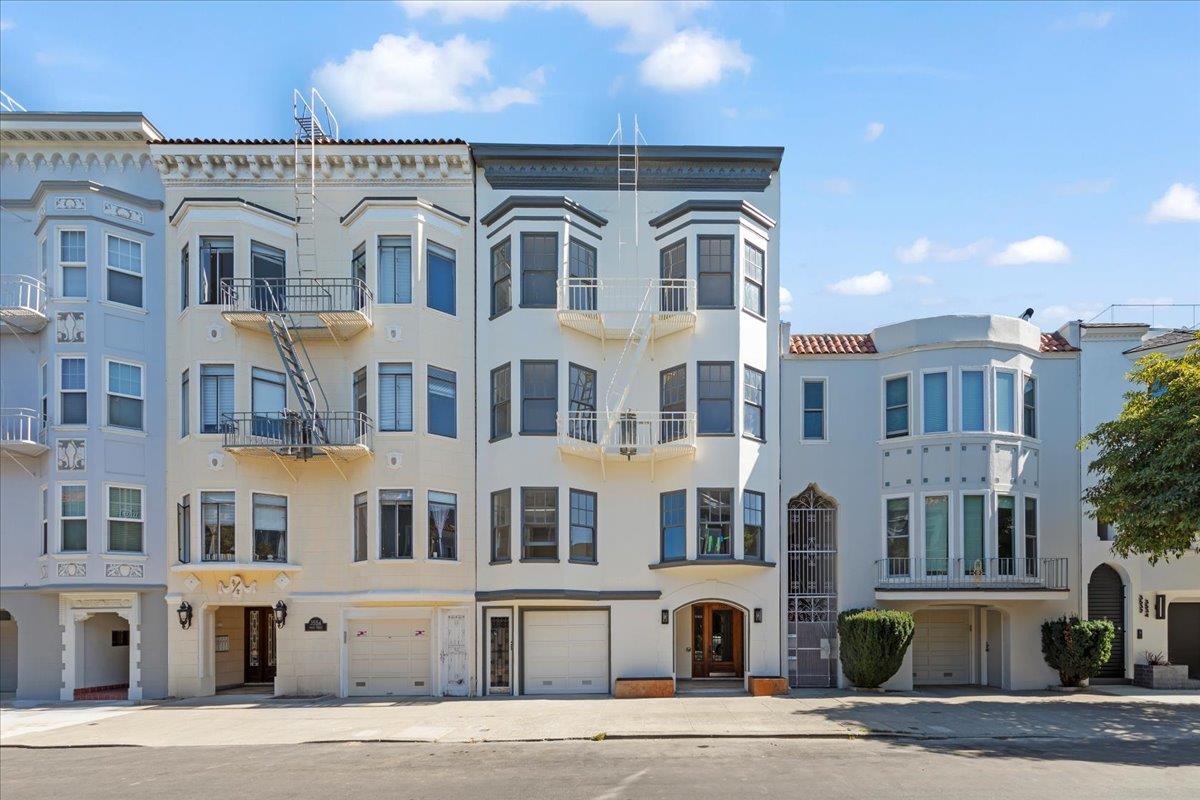
Most people who inherit an apartment building never planned to own one. One month they are grieving a parent, and the next they are responsible for tenants, a property tax bill, a rent roll they have never seen and family members who each have an opinion. Philip Batlin has sold buildings for families in exactly this spot for years, and the sales that go well tend to follow the same few steps.
1. Get a date of death value first
Before anyone decides to keep or sell, the family needs to know what the building was worth on the date their family member passed away. That number matters for taxes later, and it gives everyone in the family the same starting point.
For an apartment building, value comes from income. A good opinion of value looks at the rent roll, the operating expenses, the net operating income, recent sales of similar buildings nearby and the condition of the property. A home value website cannot do that, because it never sees the rents or the expenses.
A broker opinion of value is not an appraisal. Some estates need a formal appraisal from a licensed appraiser, and a CPA or attorney can say which one is needed. Many families start with a broker opinion because it is free and fast, then order an appraisal only if the tax situation calls for it.
2. Understand the step up in basis
In general, inherited property receives a new tax basis equal to its value at the date of death. If the parents bought the building decades ago, that can wipe out most of the built in capital gain. In California, community property can receive a step up on both halves when the first spouse passes. The rules depend on how title was held, so confirm the details with a CPA before selling.
This is one of the reasons the date of death value matters so much. It is the starting point the CPA will use.
3. Plan for the property tax reassessment
Under Proposition 19, which took effect February 16, 2021, an inherited rental building is generally reassessed to its current market value. For a building owned since the 1970s or 1980s, the new tax bill can be many times the old one, and that changes the cash flow overnight.
The county also needs a Change in Ownership Statement (Form BOE 502 D) after an owner passes, generally within 150 days of the date of death. The family's attorney or the county assessor can confirm what applies.
Run the numbers with the new tax bill before deciding to hold. A building that cash flowed well for the parents may not cash flow at all after reassessment.
4. Know whether it is a trust sale or a probate sale
If the building was held in a living trust, the successor trustee can usually sell it without going to court. If it was not in a trust, it may have to go through probate, and the sale can require extra steps such as notice to the heirs or court confirmation, depending on the authority the court has granted.
A probate sale Philip handled at 1000 Kirkham Street in San Francisco is a good example. The executor hired him to sell a 6 unit building on behalf of two heirs. Because the sale needed court confirmation, it ran as a full public listing, the building drew three offers, and the court confirmed the sale at the accepted price with no overbid. From listing to closing it took about three to four months, including the court hearing.
5. Get the family on the same page
Disagreement between heirs is normal. One sibling wants the income, another wants the cash, and a third lives out of state and just wants it handled. Clear numbers help more than anything else. When everyone sees the same value, the same tax bill and the same options, the conversation gets much easier.
Philip once sold a 5 unit building in Burlingame for a family trust where the family members could not agree on a single broker, so they hired two firms to co list it. It closed, but it shows how often family dynamics shape the sale as much as the market does.
The options usually come down to three:
- Sell and split the proceeds.
- Keep the building and hire professional management.
- Have one heir buy out the others, usually with new financing.
6. Handle the tenants with care
Inherited buildings often have long term tenants paying well below market, and many Bay Area buildings are rent controlled. The tenants stay with the building when it sells, and buyers price that in. Plan showings and notices with respect for the residents and in line with local rules. A calm, well run process protects the price as well as the people living there.
7. Choose a broker who has done this before
A trust or estate sale is not just a listing. The broker should be comfortable working alongside the family's attorney and CPA, preparing the date of death value, communicating with several family members and, when a bank is trustee, meeting its process. For example, Wells Fargo, serving as successor trustee of a family trust, selected Philip to sell a 4 unit building in San Mateo. Because a trustee is not required to provide the usual seller disclosure forms, Philip made sure the buyer had the leases, rent records and reports needed to close with confidence. It sold in 20 days.
More of these stories are on the Trust, Estate and Probate Sales page.
Talk to Philip before deciding
Every family's situation is different. Philip Batlin will prepare a free, confidential opinion of value as of the date of death, based on the building's income and expenses, comparable sales, current rents and condition, and walk the family, attorney and CPA through the options. Request a free, confidential opinion of value or call Philip at (415) 625 2189.
Philip Batlin, Managing Director Investments, Marcus & Millichap. CA DRE 01873218. Marcus & Millichap is not a law firm or tax advisor. Nothing in this post is legal or tax advice. Please consult your attorney and CPA.
